Uju Anya
MarylandHer father, Udegbunem Anya, wrote for the market under three different names. She is a linguist herself — both a witness to the trade and an interpreter of it.
An Onitsha Market Literature Story
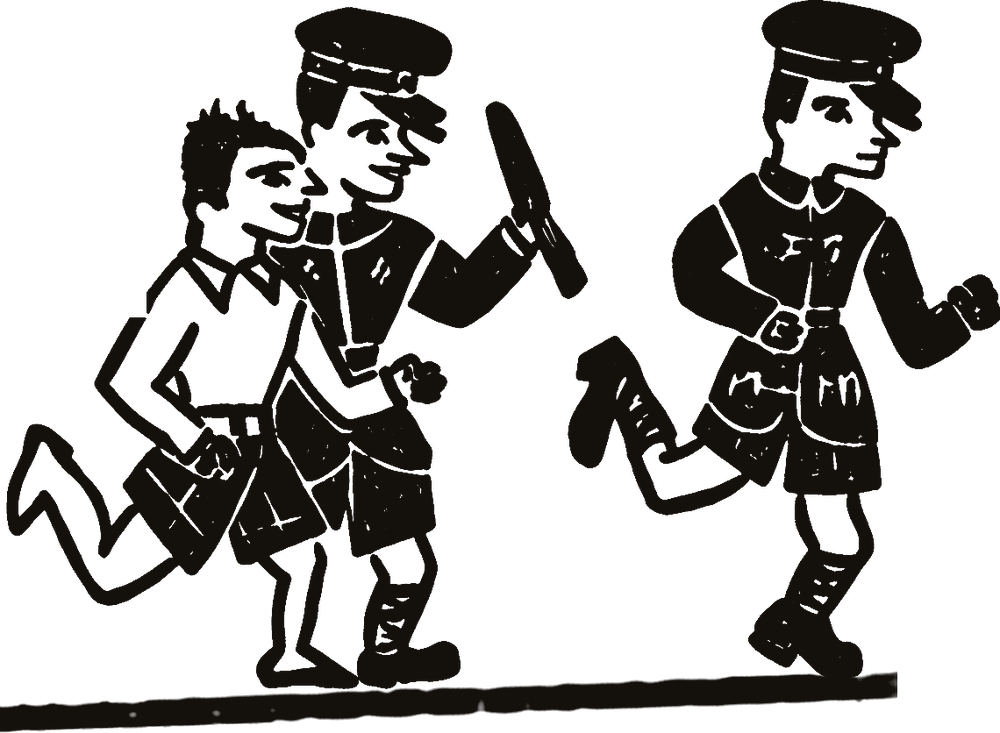
A documentary film
What happens to a literature that never asked permission?
Written and directed by Kọ́lá Túbọ̀sún.
Produced by OlongoAfrica.
The Film
They were not reviewed.
They were not taught.
They sold in tens of thousands.
The pamphlet trade, c. 1947–1966
For about two decades either side of independence, the market town of Onitsha, on the eastern bank of the Niger, produced one of the most unusual publishing cultures of the twentieth century.
Clerks, traders, teachers and school-leavers wrote short books — romance, courtroom drama, political biography, advice on money and marriage — and had them printed on the same small presses that turned out invoices, handbills and funeral programmes. They were sold from stalls in the market for a few pence, and they were read by people who had never been the intended audience for a book.
The trade asked permission of nobody: not London, not the university, not anyone's idea of proper English. It made its own language, its own subjects and its own economics, and then it ended almost as quickly as it began.
Life Turns Man Up and Down follows the small number of people who kept the pamphlets when nobody else was keeping them, and asks what happened to the writing afterwards — including how the same town became, thirty years later, the engine of Nigeria's home-video industry, and what all of this says about the changing job of the writer in African society.
The Custodians
Almost none of this literature was preserved by the institutions that preserve literature. What survives is here because particular people kept it — a dealer, two librarians, a scholar — and because the children of the writers remember what the catalogues do not.
Her father, Udegbunem Anya, wrote for the market under three different names. She is a linguist herself — both a witness to the trade and an interpreter of it.
The collector whose shelves are the film's way in, and who has spent decades arguing that these pamphlets are literature.
On what a print culture becomes once it is scanned — what digitisation carries across, and what it quietly leaves behind.
Special collections curator, on how a Nigerian market trade ends up catalogued in the American Midwest.
On what the pamphlets record that the official histories of the period do not.
Still to film
Interviewed scores of pamphlet writers, publishers, printers and readers in 1971, when the trade had a brief revival after the Nigerian Civil War. His wife Barbara appeared on the covers of several popular pamphlets.
Eldest son of Cyprian Ekwensi, whose earliest books were printed and sold in this same trade before he became one of Nigeria's best-known novelists.
A prolific writer of popular fiction, often measured against Ekwensi — and living proof that popular and serious were never opposites here.
Professor of African literature and cinema, whose work runs the line from the market pamphlets to the video-film industry that followed.
This is not the whole cast. Other conversations are underway.
The Archive
Alongside the film, OlongoAfrica holds eleven Onitsha pamphlets of its own — advice books, domestic melodrama, a political life of Jomo Kenyatta — catalogued title by title and scanned inside and out.
If you hold pamphlets, photographs of the market, or printers' records from the period, the film and the library would both like to hear from you.
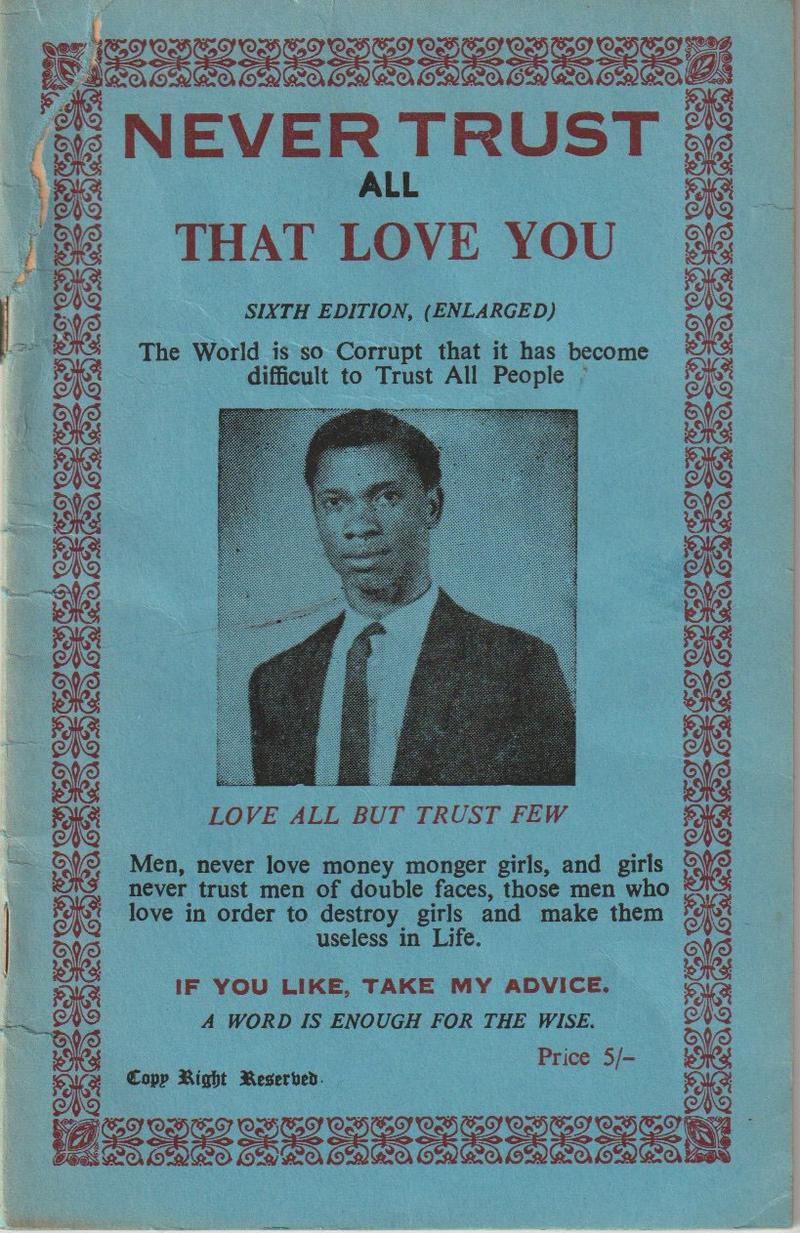 Never Trust All That Love YouAnonymous · 6th ed.
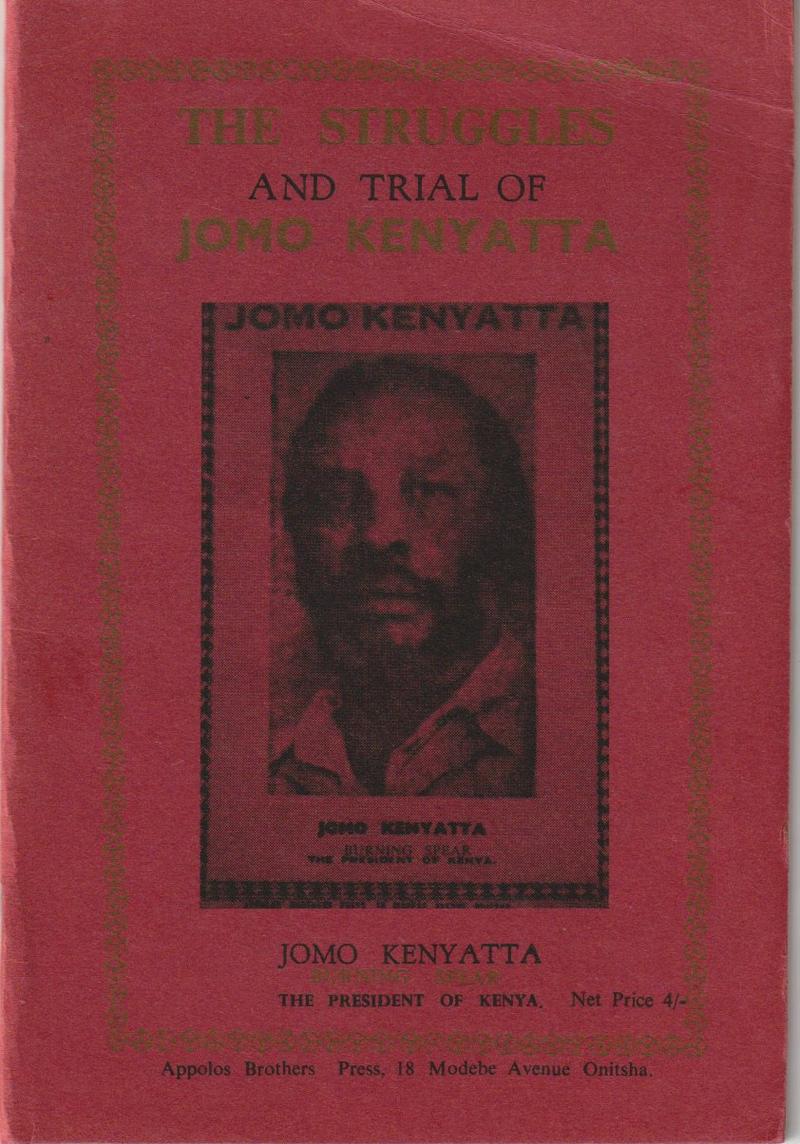 The Struggles and Trial of Jomo KenyattaThomas Iguh
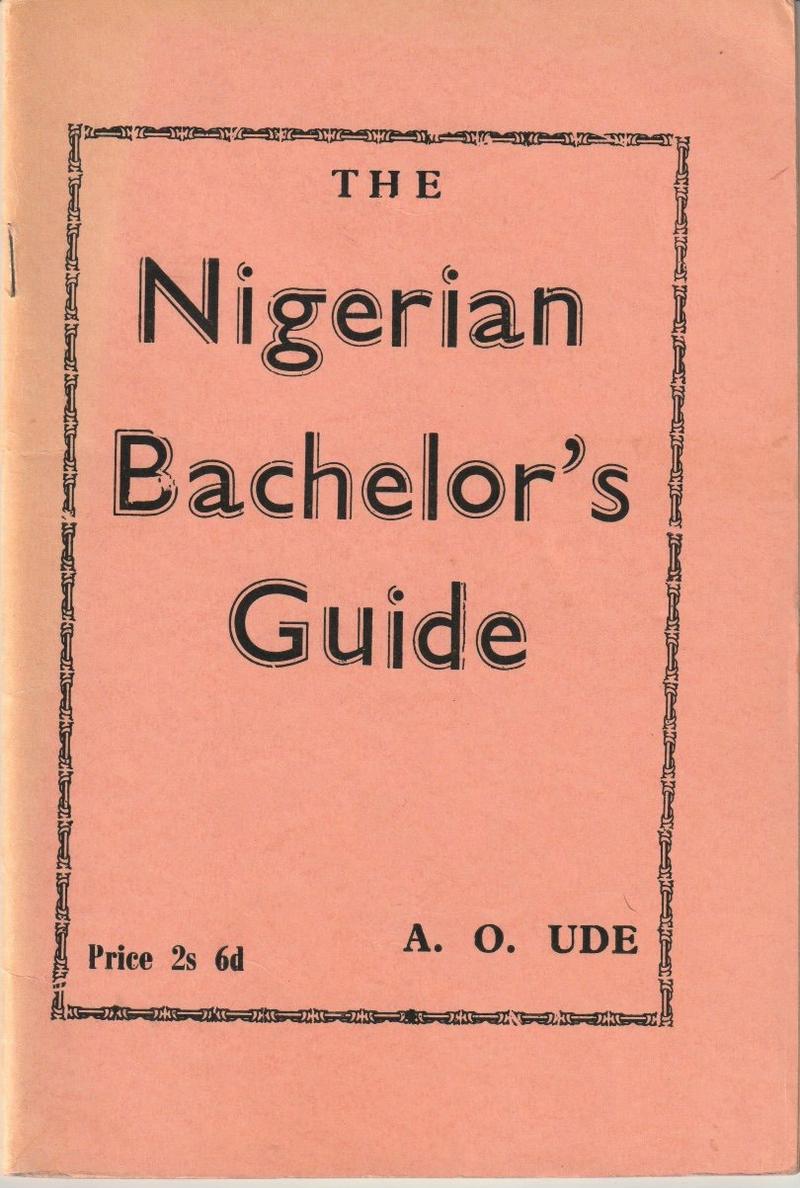 The Nigerian Bachelor's GuideF.A.O. Ude
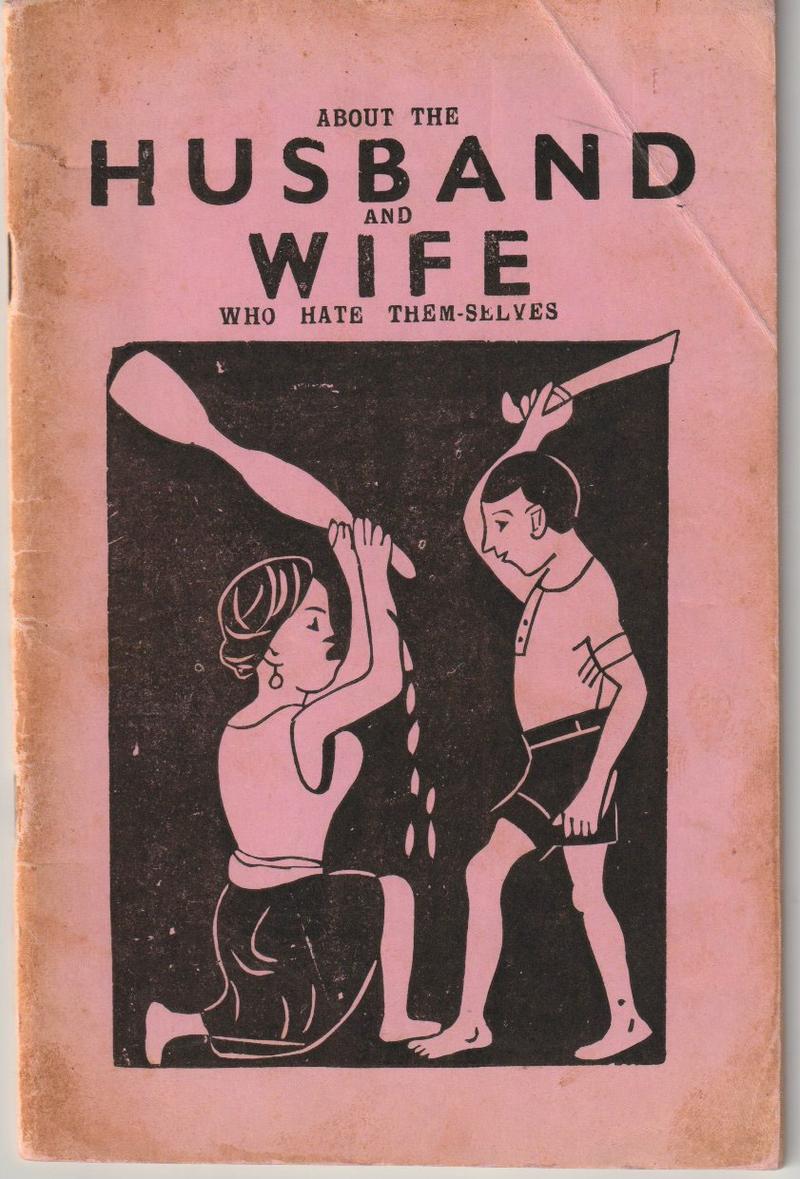 Husband and Wife Who Hate ThemselvesAnonymous
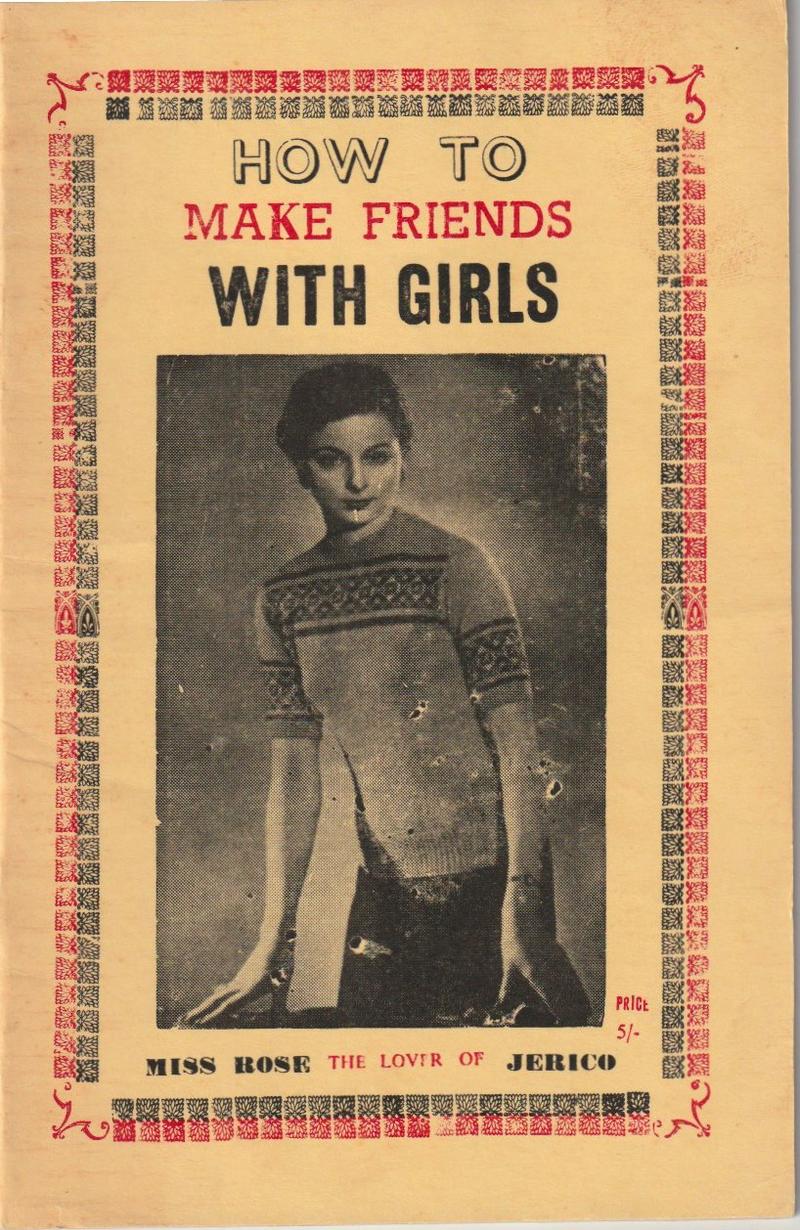 How to Make Friends with GirlsJ. Abiakam
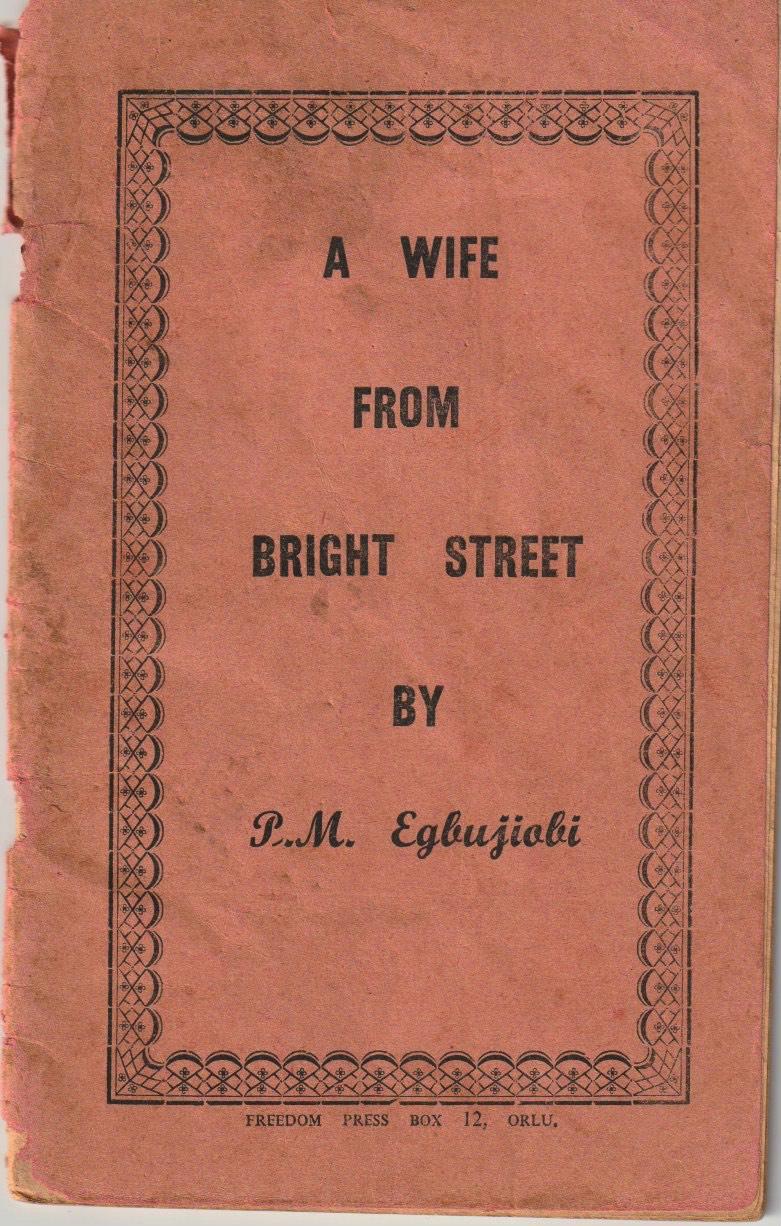 A Wife on Bright StreetI.M. Egbujiobi
Six of eleven. Each cover opens its catalogue entry, with scans of the inside pages.
Production
The film is being shot across the United States and Nigeria. This log updates as filming moves.
Get Involved
Copies in a box, a wardrobe, a family library, a school store. Even a photograph of a cover is useful to us.
Write to us →Many of the authors published under one name and lived under another. If a relative of yours wrote or printed for the market, we would like to record what you know.
Tell us about them →The production is looking for funding partners, archival collaborators and festival and broadcast homes.
Start a conversation →Filmmakers